Stone mountain home

Stone by stone, using only their hands and simple tools, the shepherds carved out a space for life and work. They built summer huts and pens, enclosed properties with dry-stone walls and imprinted paths across the steep slopes.

This building technique, free of cement and concrete, relied solely on stacking stone upon stone, with bare hands and knowledge passed down through generations. Dry-stone structures merged almost invisibly into the landscape — as if they had grown out of it, rather than being imposed upon it.

Water was scarce and precious. People built šterne — masonry cisterns used to collect rainwater. During severe droughts, the Podgorje people would retrieve snow from deep ice caves, melting it down to water their animals.

Pastures, a gift from the shepherds

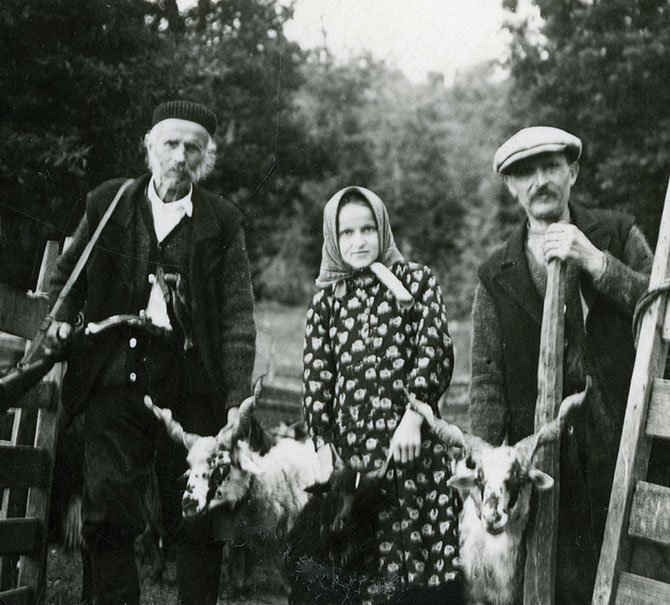
The vast Velebit pastures were created over centuries through the grazing of sheep and goats. Herds were an integral part of every family's life — without them, there was neither survival nor exchange. Their daily movement and grazing shaped the space through which they passed.

Regular grazing maintained the areas where the animals browsed on young shoots and prevented vegetation from overgrowing. This is how the Velebit landscape of open pastures and meadows was born, today gradually being reclaimed by nature.

Life in the blooming pastures

An exceptionally rich variety of plant and animal life thrived on the Velebit pastures. The open meadows carried a diverse range of grasses, wildflowers and plants that flourish only on mountain pastures — a wealth that depended entirely on the presence of livestock and the yearly migrations of shepherds.

Along with this floral abundance came a diverse world of insects — bees, butterflies and numerous other pollinators that relied on these meadows and sustained their life.

Traces in the landscape

The traces of this life remain visible today. Walking through Velebit, we encounter dry-stone walls, paths, abandoned huts and watering holes — the records of hands that once worked and lived here.

With the abandonment of livestock farming in the second half of the 20th century, the Velebit landscape began to change. Pastures are overgrowing with shrubs and forest, and open meadows are gradually disappearing. With their decline, the diversity of plants and animals that once depended on the stewardship of the shepherds is shrinking as well.