Between the sea and the mountain

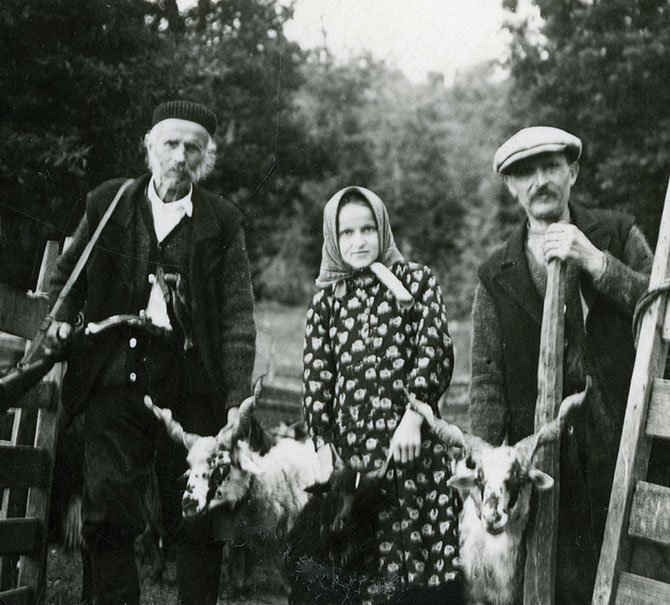
For centuries, the life of pastoral communities on the coastal slopes of Velebit unfolded in the rhythm of seasonal movement between the sea and mountain pastures. Shepherds followed their animals — the herd that ensured their survival. On the high slopes of the mountain, they built shepherds' huts, created paths and established temporary settlements. Within the Velebit landscape, harsh yet life-giving at the same time, this coexistence with the mountain shaped the way of life and the worldview of its inhabitants.

The soul on stone

In recorded oral histories, the idea emerges that animals, too, possess a soul. Such statements are linked to animism — the belief that all living and non-living things are imbued with a soul. Within these ancient layers of belief, humans, animals and nature were perceived as part of the same circle of life (animism).

This worldview also influenced how the Velebit people viewed death. It was believed that on the mirilo, the soul of the deceased separated from the body and remained bound to the space in which they had lived.

In the mountainous landscape of Velebit, where the ground is often stripped bare to the stone, stone becomes a natural place of memory and endurance. A mirilo, built from stone along a mountain path, thus becomes the place where the soul finds its resting place and remains permanently bound to the space of life.

The mountain as a space of cultural persistence

With the arrival of Christianity, older beliefs did not vanish, but gradually intertwined with the new religious worldview. Within the mountain landscape, these older layers of belief endured longer. Churches and cemeteries were located at the foot of the mountain, while mountain paths, huts and mirila remained spaces of everyday routine and customary practice, which persisted on southern Velebit until the mid-20th century.