Between the mountain and the sea

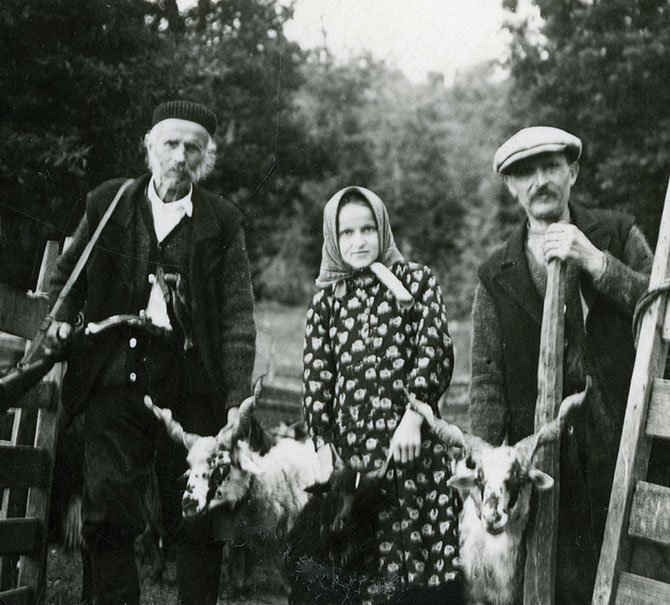
Every spring, the same scene: families with sheep, goats, donkeys and mules heading towards the mountain. No electricity, no signal — only rocks, thick grass, open hearths and stories. Their world was measured by altitude and seasons: "up" and "down", "summer" and "winter".

Velebit shepherds lived between the sea and the mountain. Their permanent settlements, houses and families were located in the Podgorje villages along the coast of southern Velebit. In the spring, they would move to the higher mountain regions with their animals, where the summer grass was richest, while the lower areas were exposed to drought. They would remain on Velebit for three to five months, returning to the sea with the arrival of autumn.

Through hard work and mountain knowledge

This life was not romantic. The economy of this region was based on small livestock, limited farming and a lot of work. Alongside livestock farming, families cultivated gardens and fields near their winter homes by the sea, kept bees, and gathered and sold firewood. Barter was an essential part of survival — goods were carried both towards the sea and towards Lika, depending on what was scarce. Salt was obtained in a unique way — they would boil seawater on the hearth until only salt remained, which they then took for barter.

Each family, which at that time often numbered more than ten members, generally owned one cow and aimed to raise one pig as well. Survival required ingenuity, effort and a deep knowledge of every resource that the karst landscape had to offer.

The path as a living space

Movement between the sea and the mountain unfolded along established paths created over centuries by the footsteps of people and animals, following natural passes through the karst terrain. They led from the coast, across steep rocky slopes, all the way to the summer huts in the Velebit uplands at altitudes between 800 and 900 metres.

These were narrow paths in the stone, occasionally widened or reinforced with dry-stone walls. Along the path lay resting places, watering holes, and shelters where shepherds, herds, donkeys, mules and dogs would cross paths — everything that made up this community in motion.

Exchange of goods also took place along these same routes. They would descend the mountain with what Velebit provided — firewood gathered in the higher regions, wool and livestock. Wood and wool would be carried to the waterfront in Starigrad, to be sold or exchanged. Towards Lika, on foot across the Velebit mountain passes, they carried onions, figs, grapes and wine — fruits of the coastal climate that Lika lacked. There, they would barter them for grain and beans.

Every day involved hours of walking — in a landscape where time was measured by the footstep, and the day by light and shadow.

Seasonal rhythm of life

Spring brought preparations: gathering the herd, repairing the huts and pens, and preparing food and equipment for the months of life on the mountain.

Summer belonged to the pastures. The days were filled with grazing and milking — in the rhythm of the sun, the weather and the movement of the herd, far from settlements and everyday contact.

With autumn, life returned towards the sea, closer to houses and the community. The same paths, the same seasons, the same movement — repeated for centuries, right up until the 1960s.